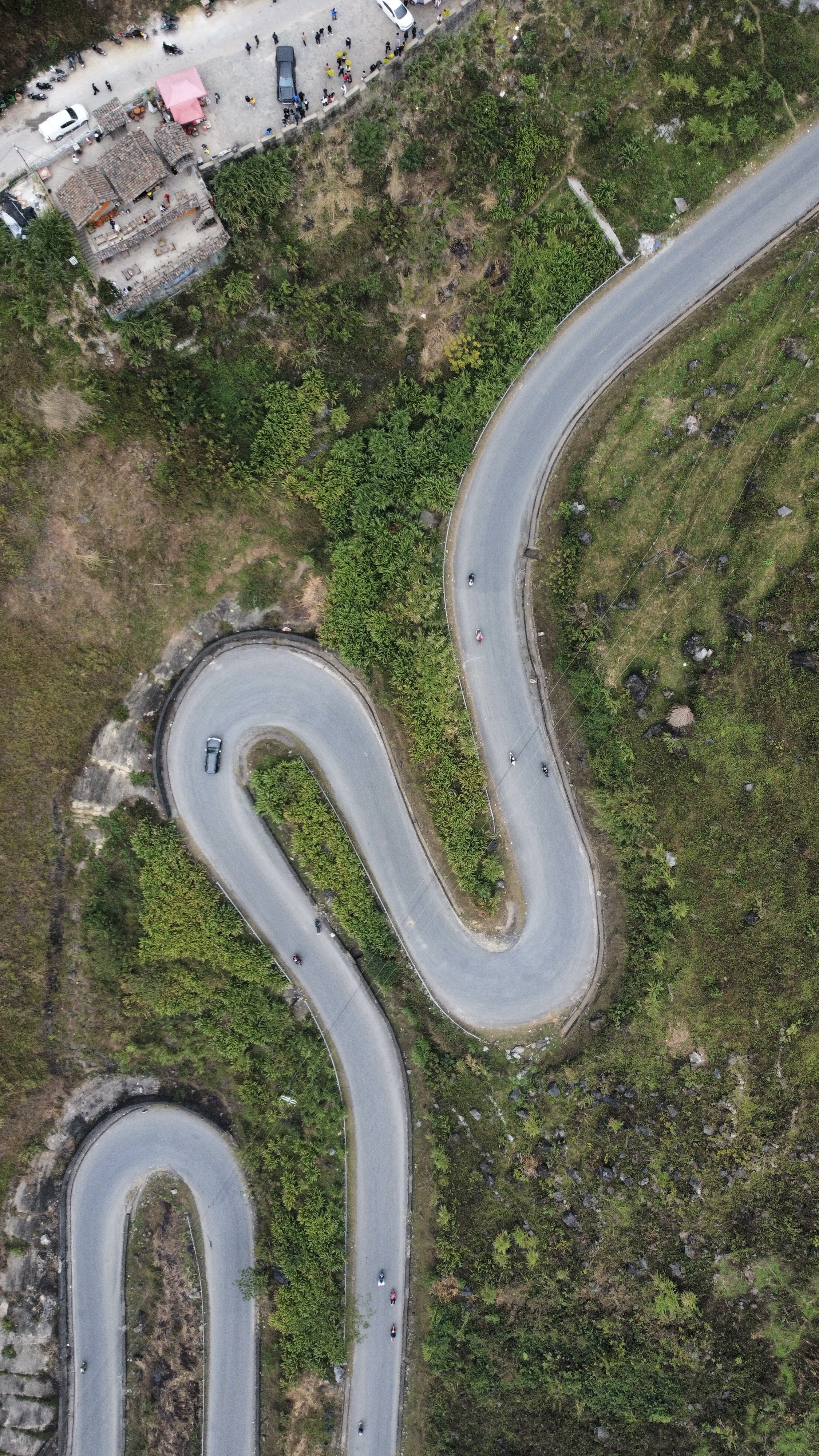
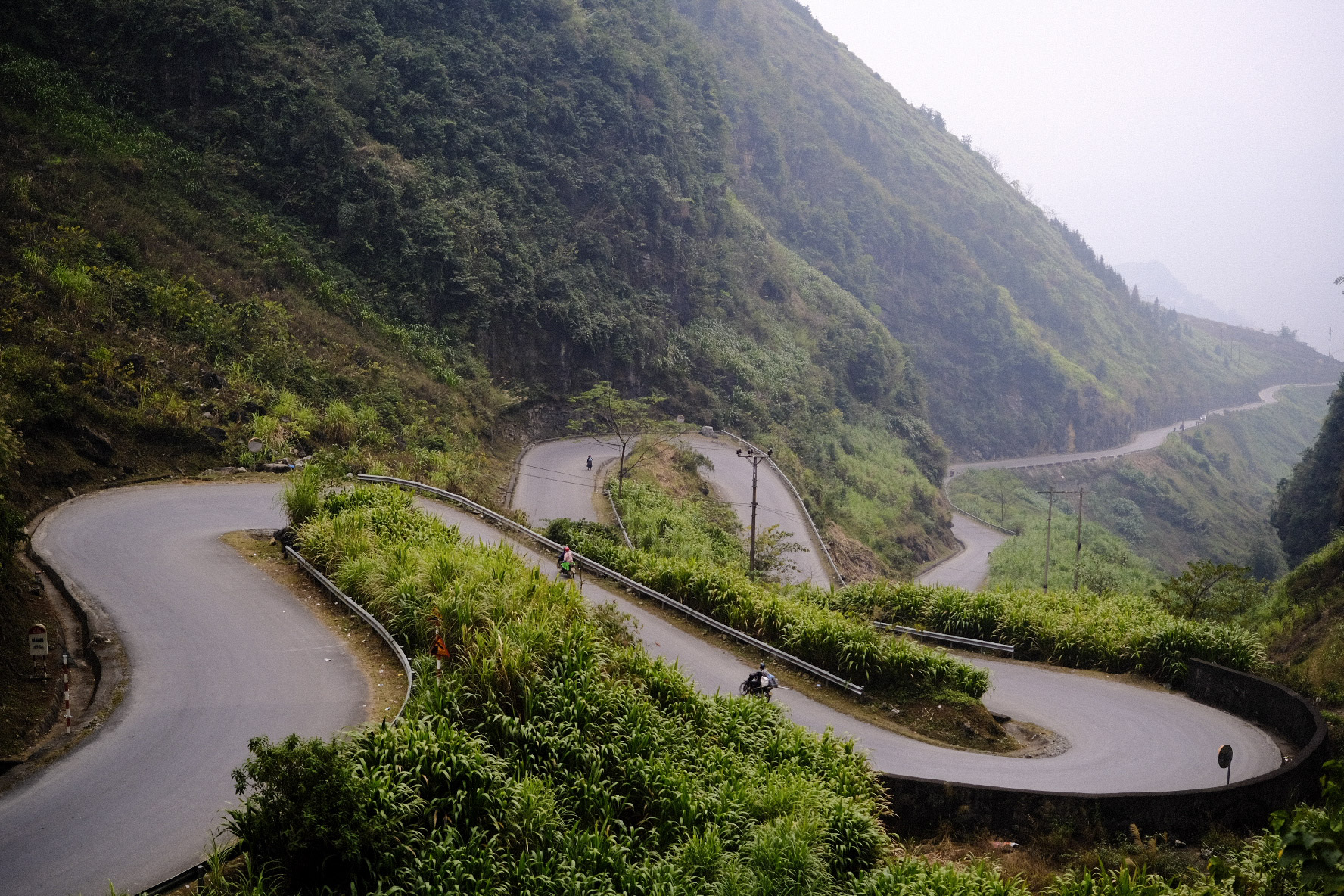
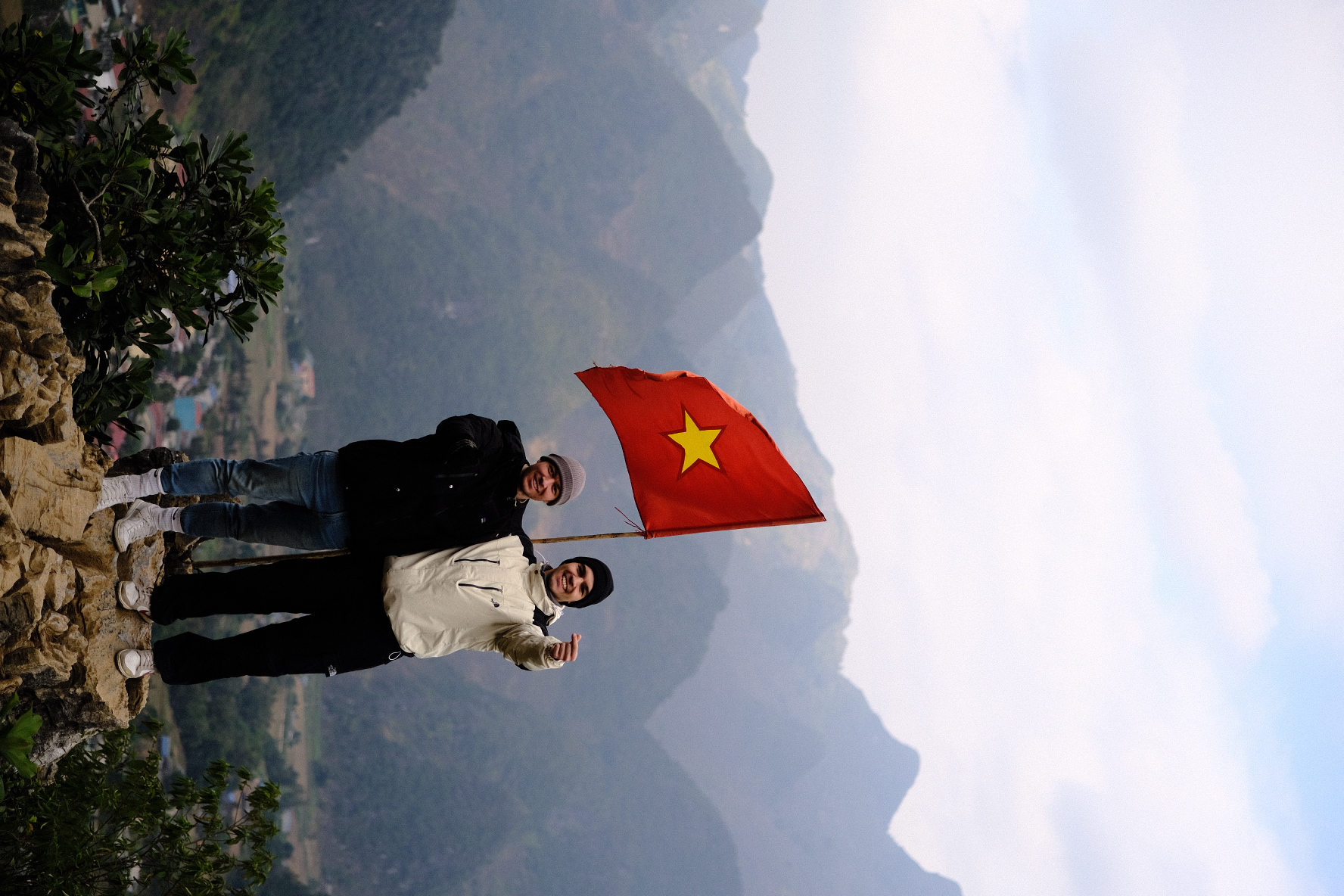
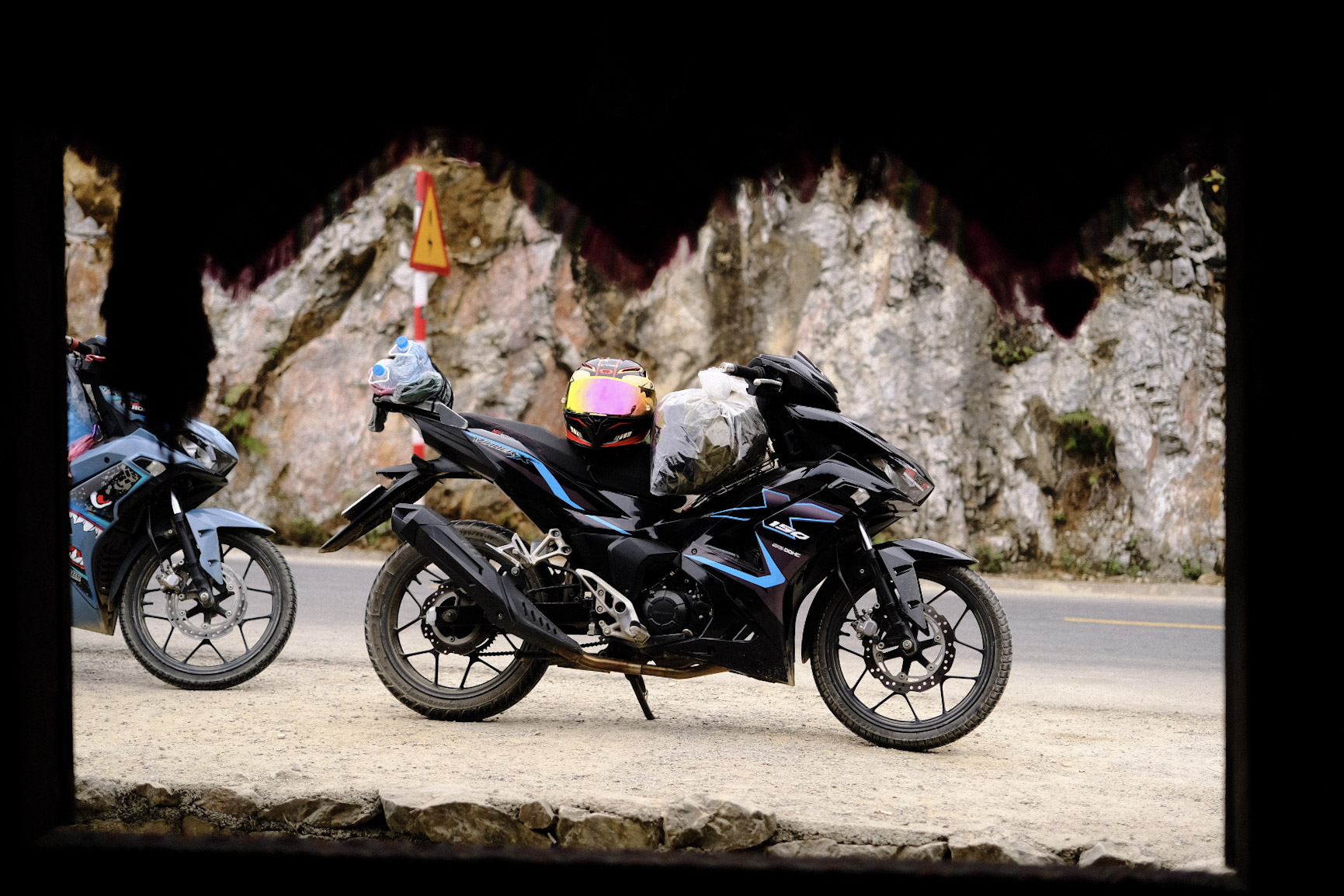
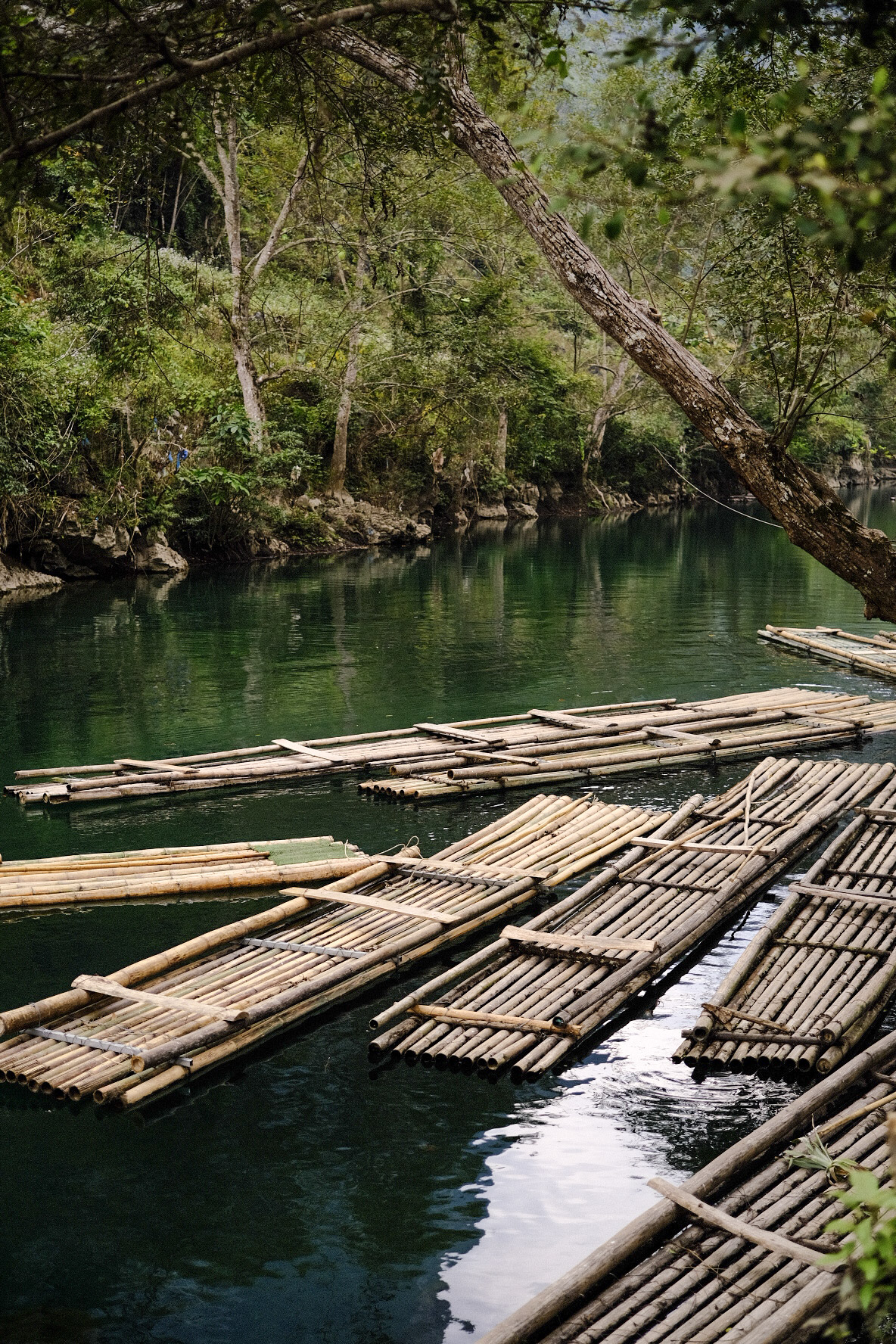
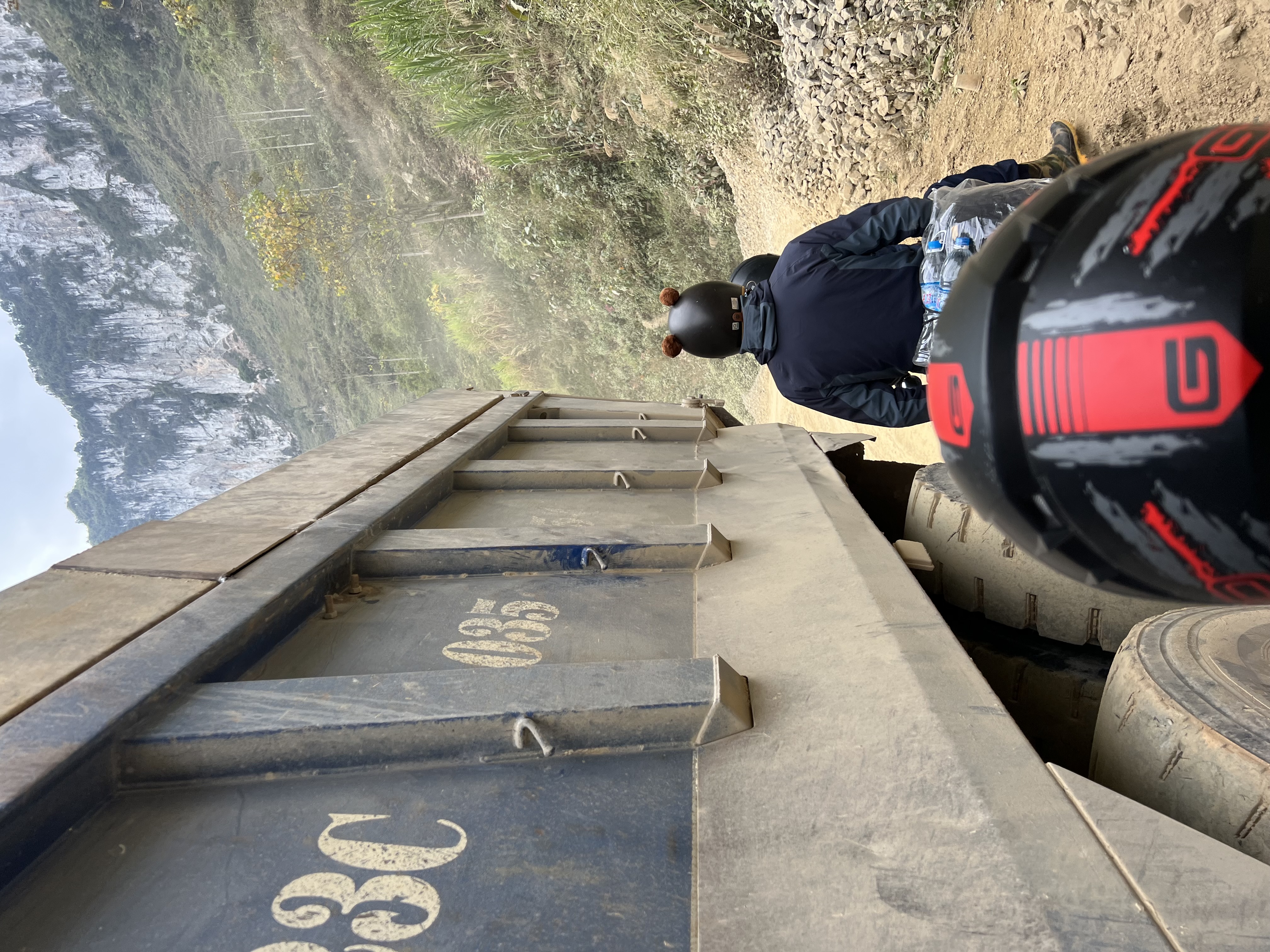
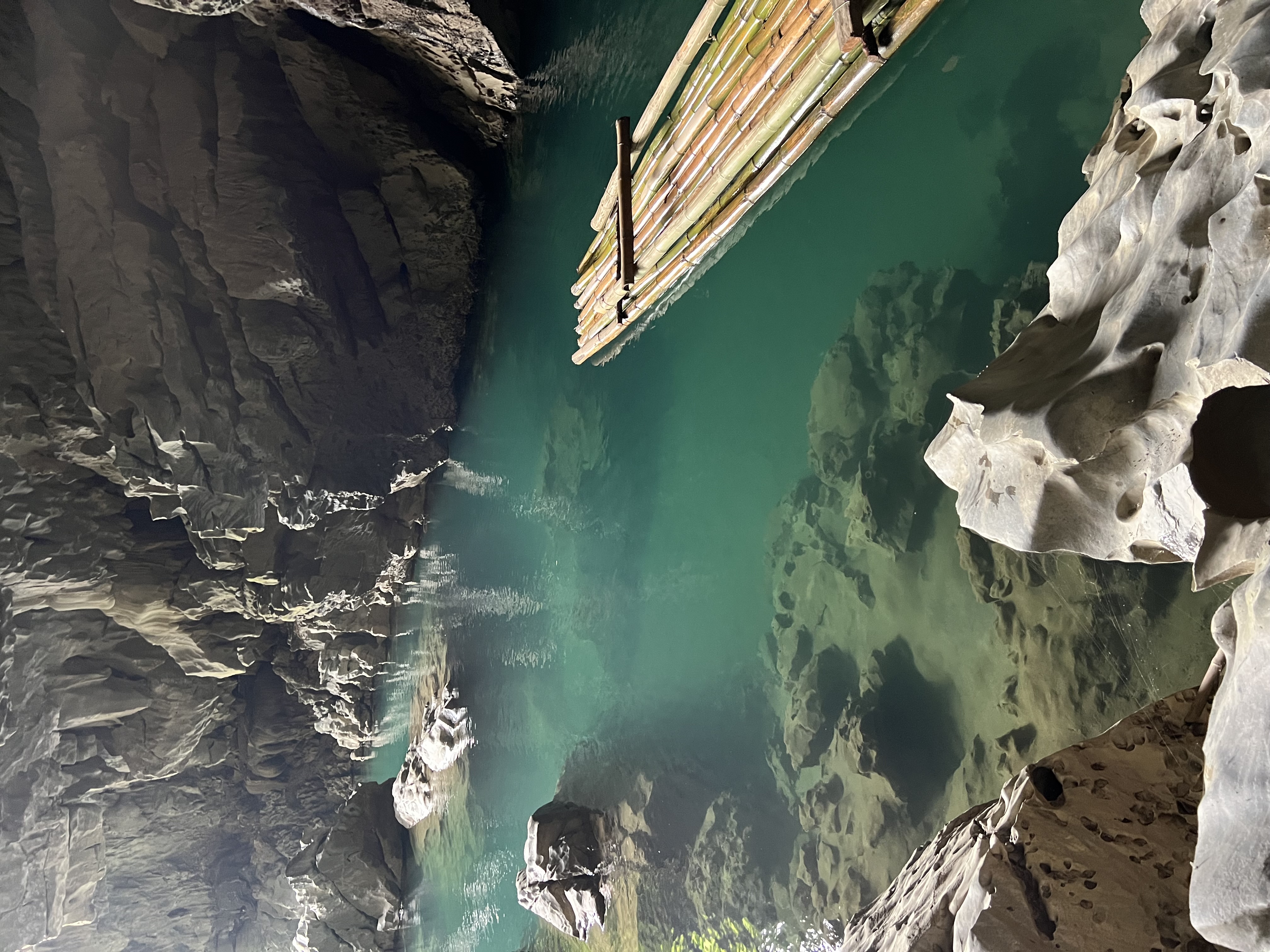
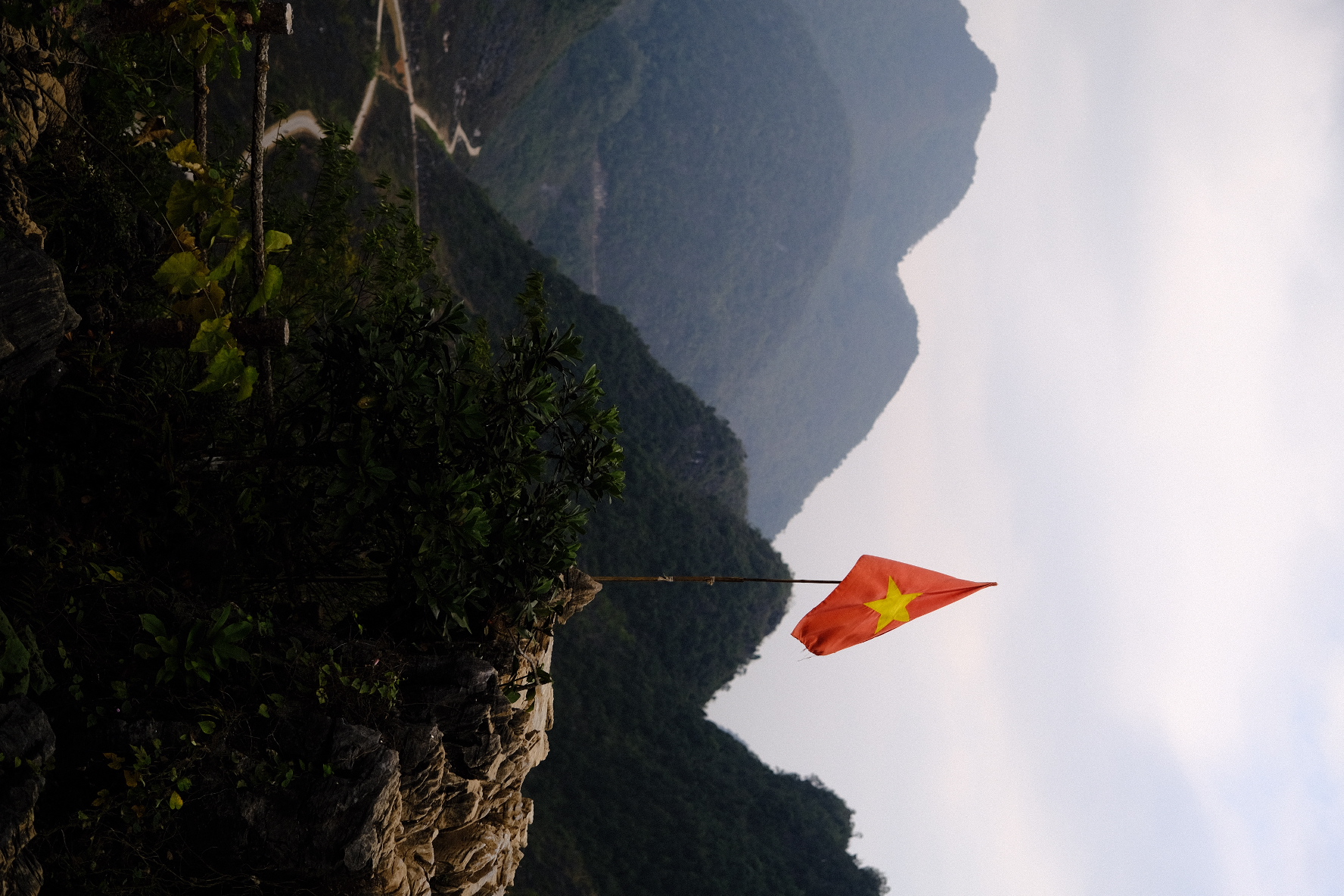
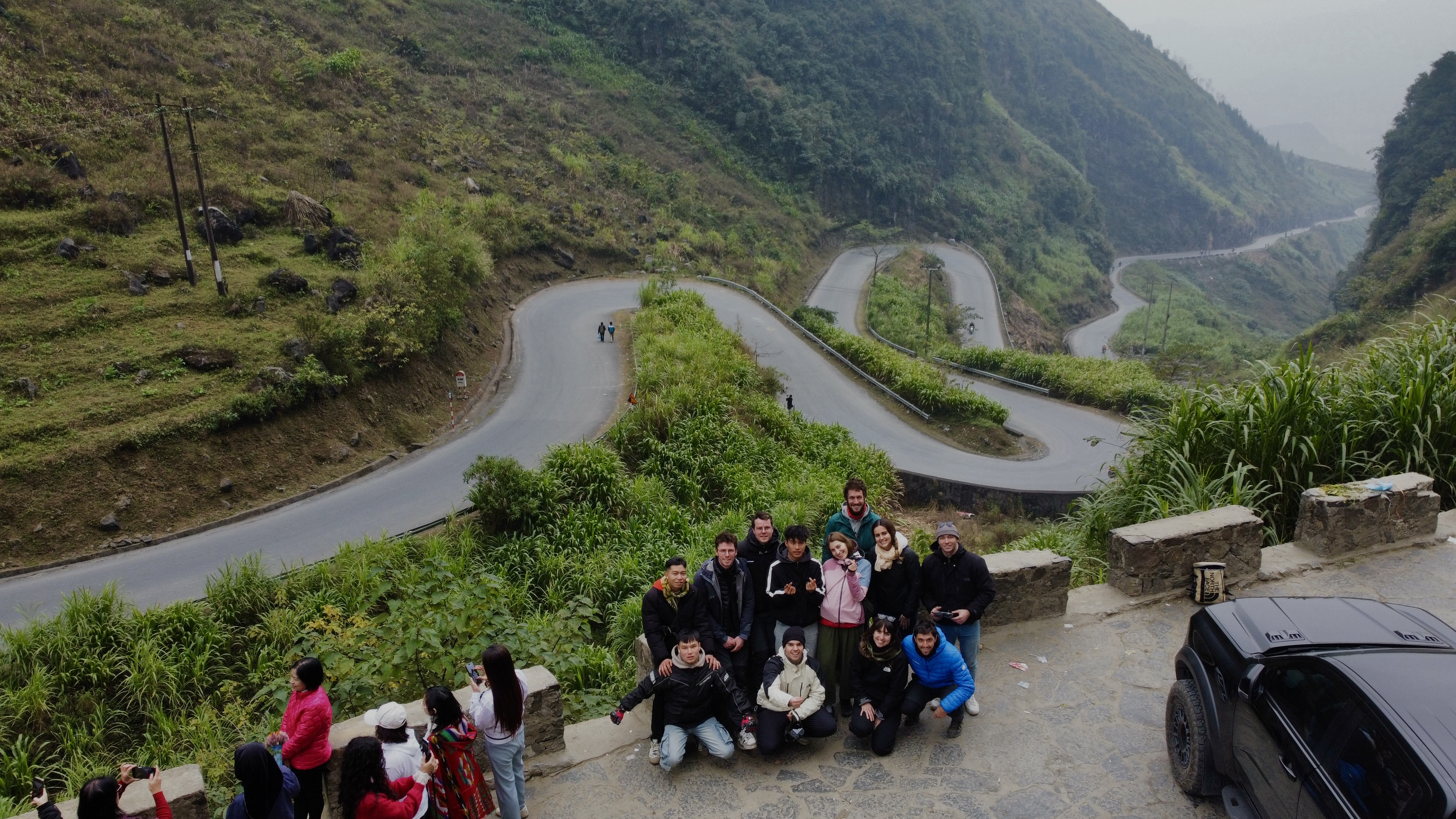
Embarking on the Ha Giang Loop was another unforgettable adventure during our journey through Vietnam. Over the course of three days, we drove through stunning mountain landscapes, passed remote villages, and stopped at breathtaking viewpoints – at least where the fog wasn’t dominating.
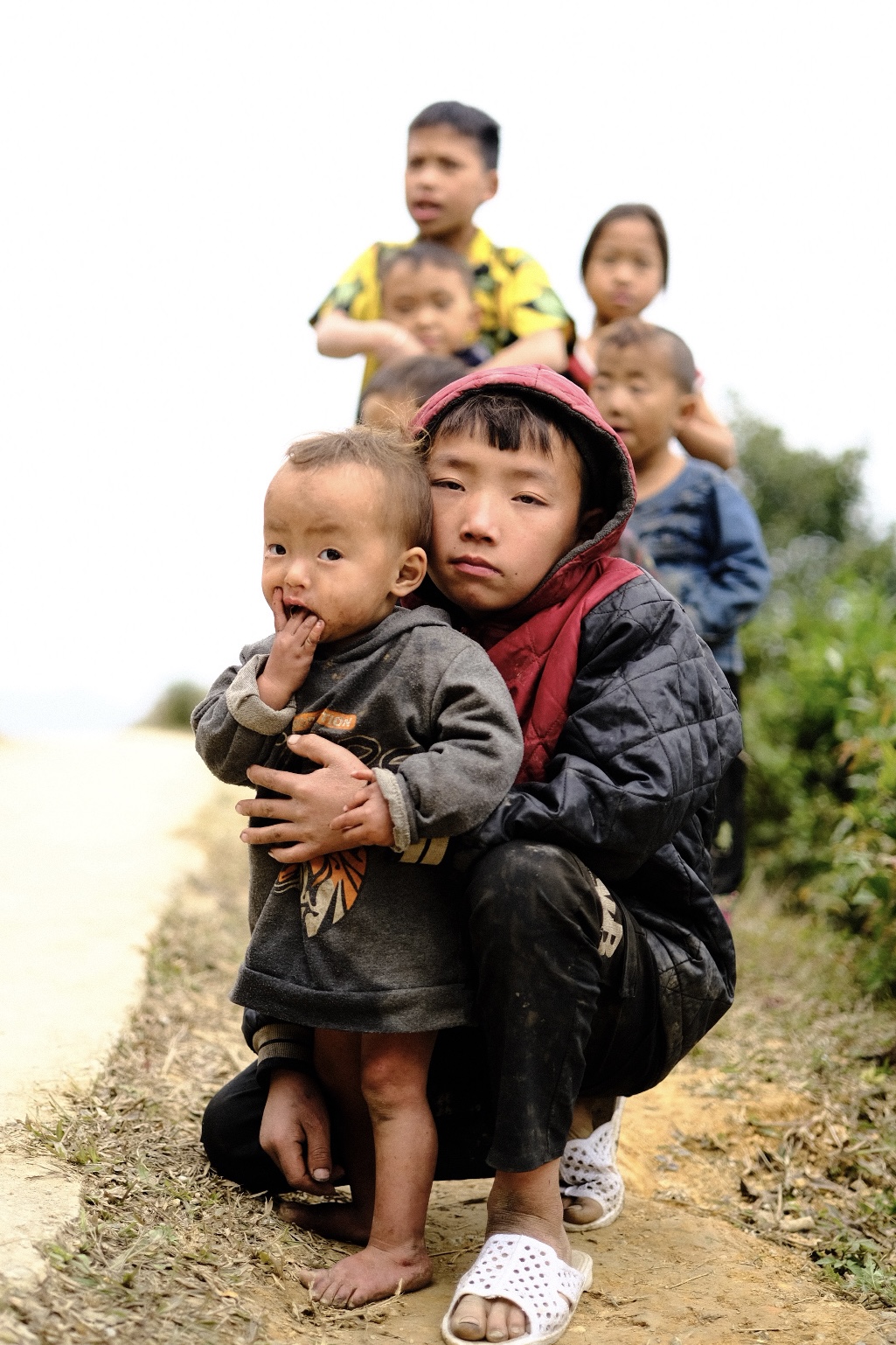
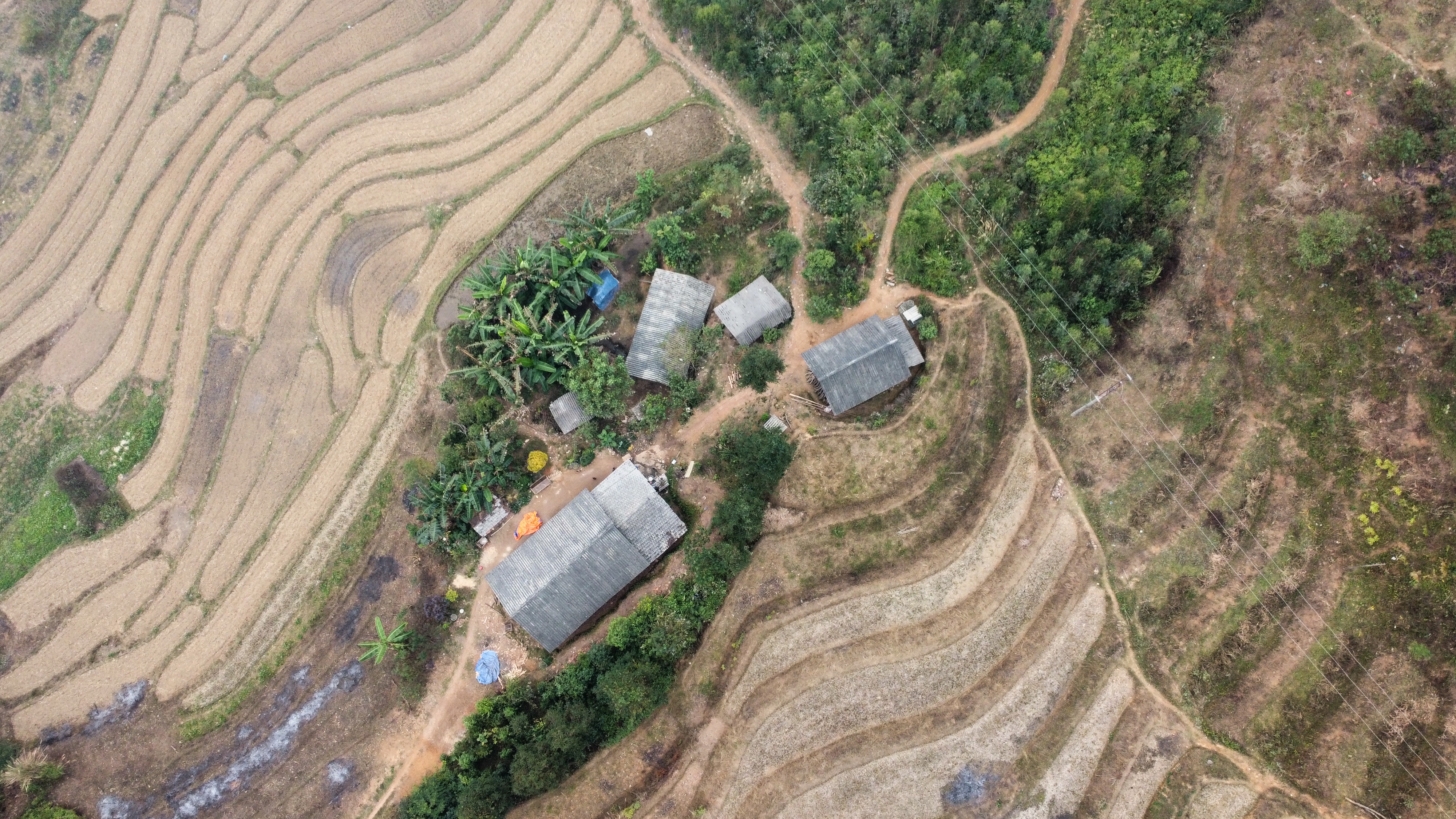
Along the way, we caught glimpses of the rich cultures of the ethnic minority groups who call this region home, such as the Hmong, Tay, and Dao. Their traditional stilt houses, vibrant clothing, and terraced rice fields offered us a rare look into a way of life that has remained beautifully authentic over centuries.
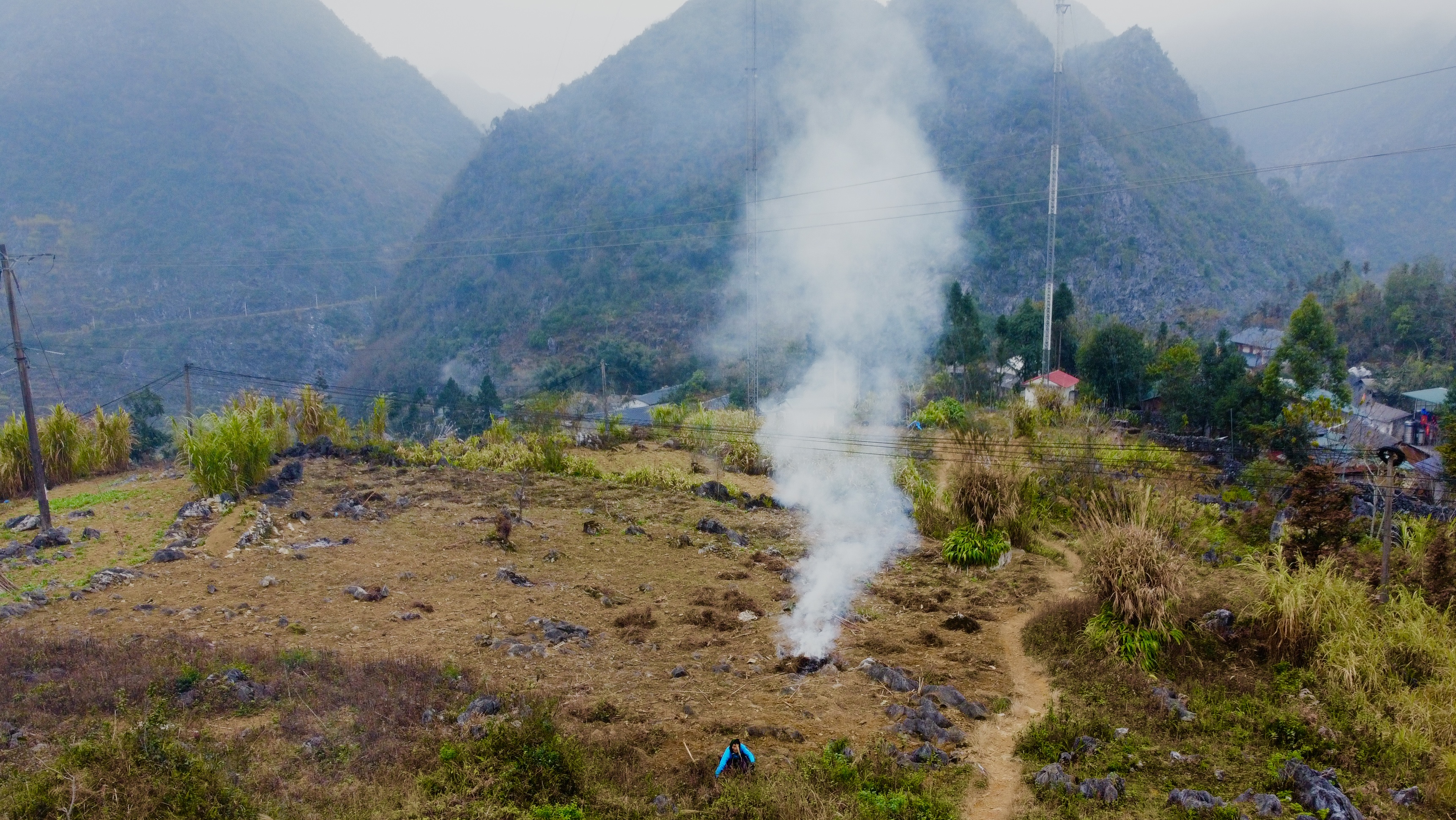
However, as with most places where tourism intersects with traditional lifestyles, we noticed some challenges. The main issue we encountered was waste management. Industrialized products and packaging don’t align with the region’s traditional practice of burning waste, resulting in the occasional stingy smell of burned plastic.
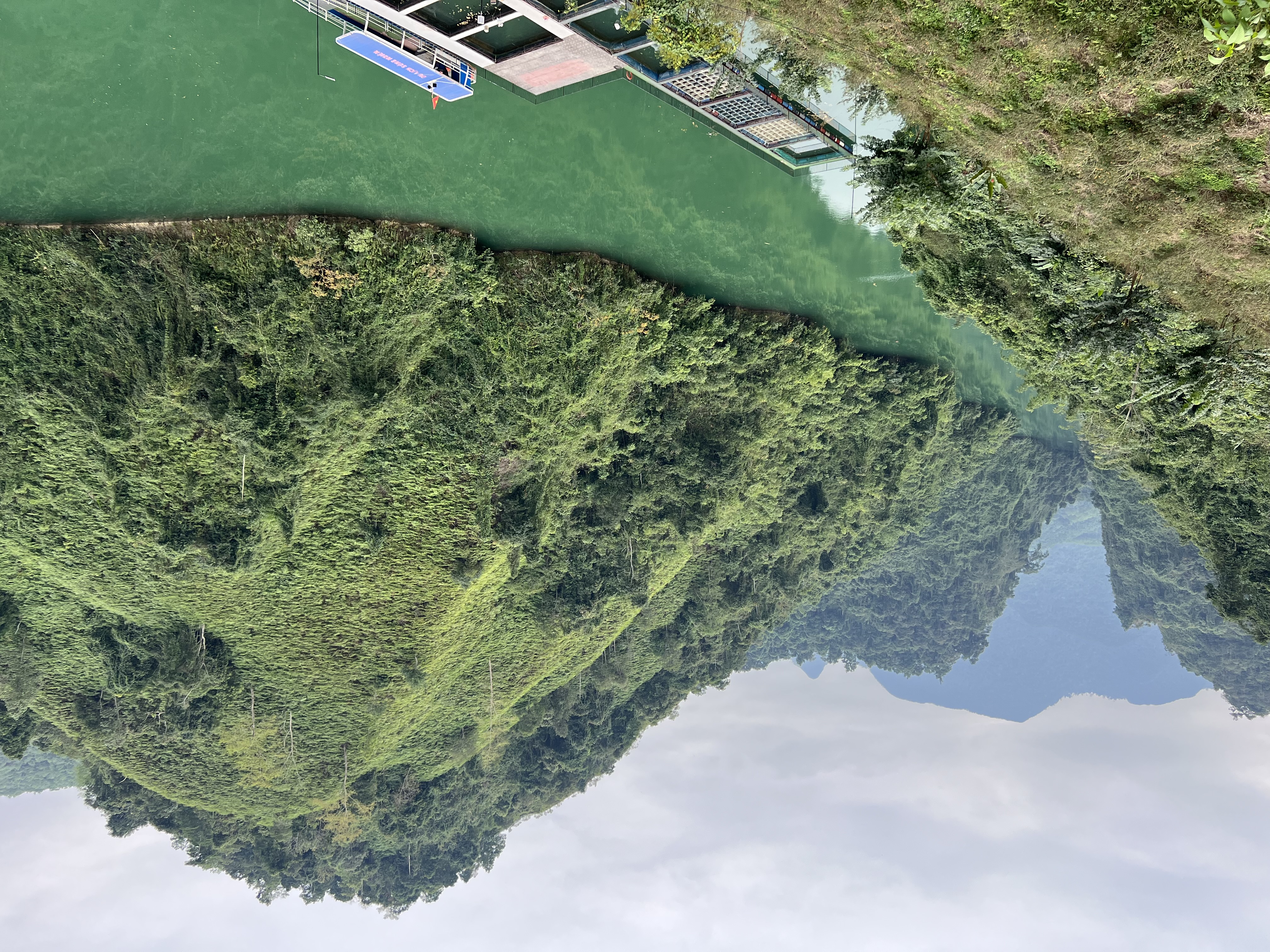
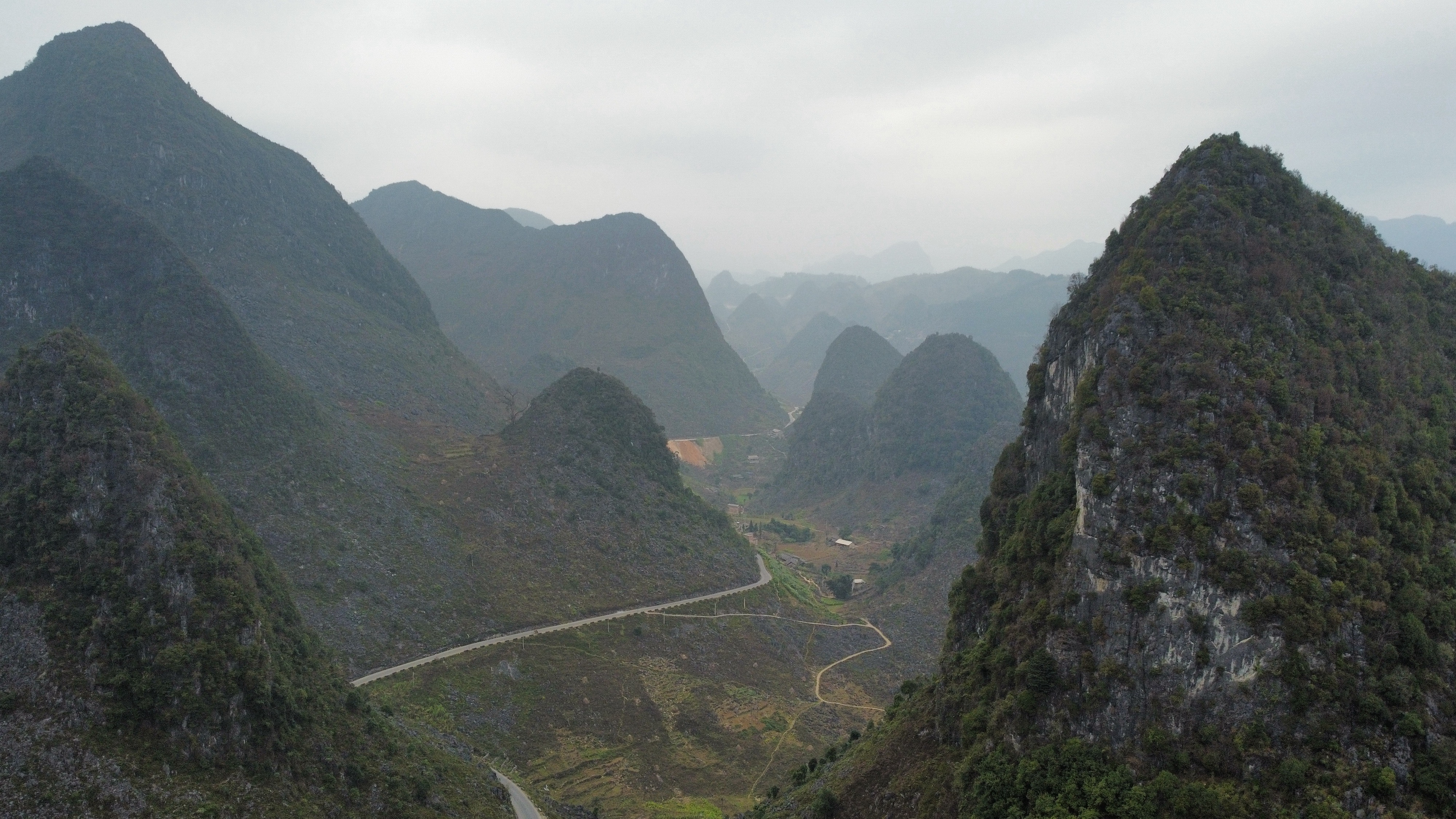
Despite this, driving through the ancient landscapes of Ha Giang felt like stepping back in time. These awe-inspiring terrains, formed over 400 million years ago, are part of the Dong Van Karst Plateau, a UNESCO Global Geopark.
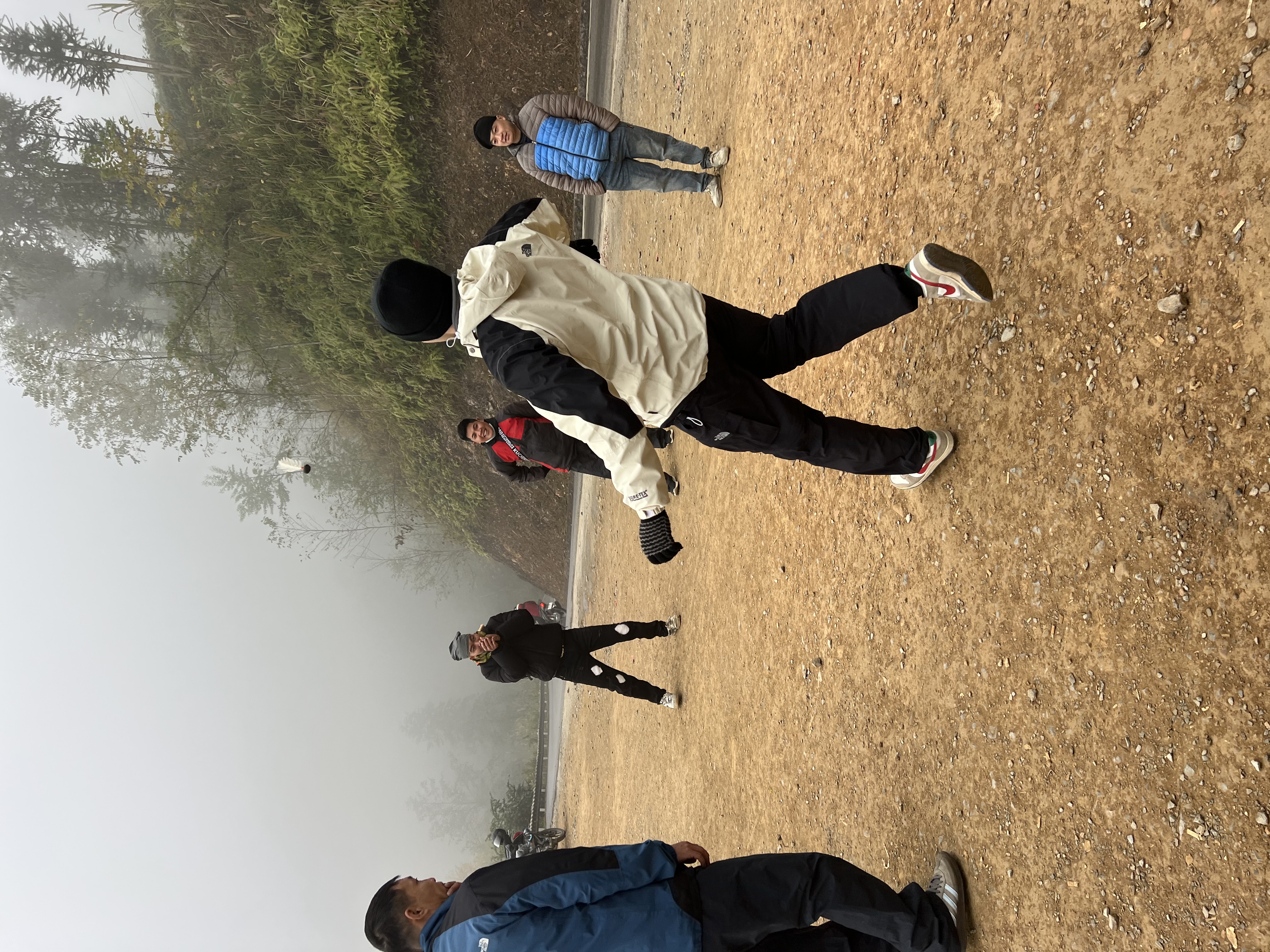
One joyful cultural experience was Đá Cầu – a traditional Vietnamese game where you juggle a shuttlecock, either alone or in a group. Rooted in Vietnamese culture, this sport became a favorite pastime for us during our rest breaks, adding a fun and interactive element to our journey.
Another memorable cultural experience was our introduction to Happy Water a local rice liquor known as rượu. A tradition shared by our guides. Rượu has deep roots in Vietnamese culture, symbolizing hospitality and camaraderie. Drinking it involves more than just a single toast – every five to ten minutes, someone would inevitably initiate another round, creating a lively and communal atmosphere. For those curious, I’ve included some background about rượu and its cultural significance at the bottom of this page.
After three days however, we are happy to get to the next stop – Hanoi – to recharge our batteries, as we were drenched from the coldness and long rides.
Photo Dump


Rượu
Rượu (rice liquor) is a traditional alcoholic beverage deeply embedded in Vietnamese culture. Historically, it has played a vital role in rituals, often used during ancestral ceremonies as a symbol of purity and respect. The act of drinking rượu goes beyond mere consumption, it signifies a connection with ancestors, reinforcing the values of reverence and remembrance.
In Vietnamese social life, rượu is more than just a drink – it’s a symbol of hospitality and camaraderie. It is often shared during gatherings with family, friends, and new acquaintances, cementing relationships and creating a bond through ritual toasts. Whether in the countryside or bustling cities, offering rượu is a gesture of goodwill and an essential part of Vietnamese hospitality.
Furthermore, during traditional meals, rượu is commonly served to balance flavors, aligning with the cultural principles of yin and yang. Despite modern influences, rượu remains a staple in celebrations, from weddings to festivals, embodying the enduring spirit of Vietnamese traditions (Source: Sontinh). On the Ha Giang region rượu is mostly brewed from corn however.

Leave a Reply