It’s time to fly back to Panama City. This time around disappointingly four minutes earlier than scheduled – they surely set a high standard on the first flight.
The Panama Canal, Panamas biggest employer with 10’000 employees, a wonder of the modern world and historically the source of its financial prosperity.
As technically and historically imposing the canal is, as boring is it to watch the cargos transit it. It could be best described as watching gras grow…
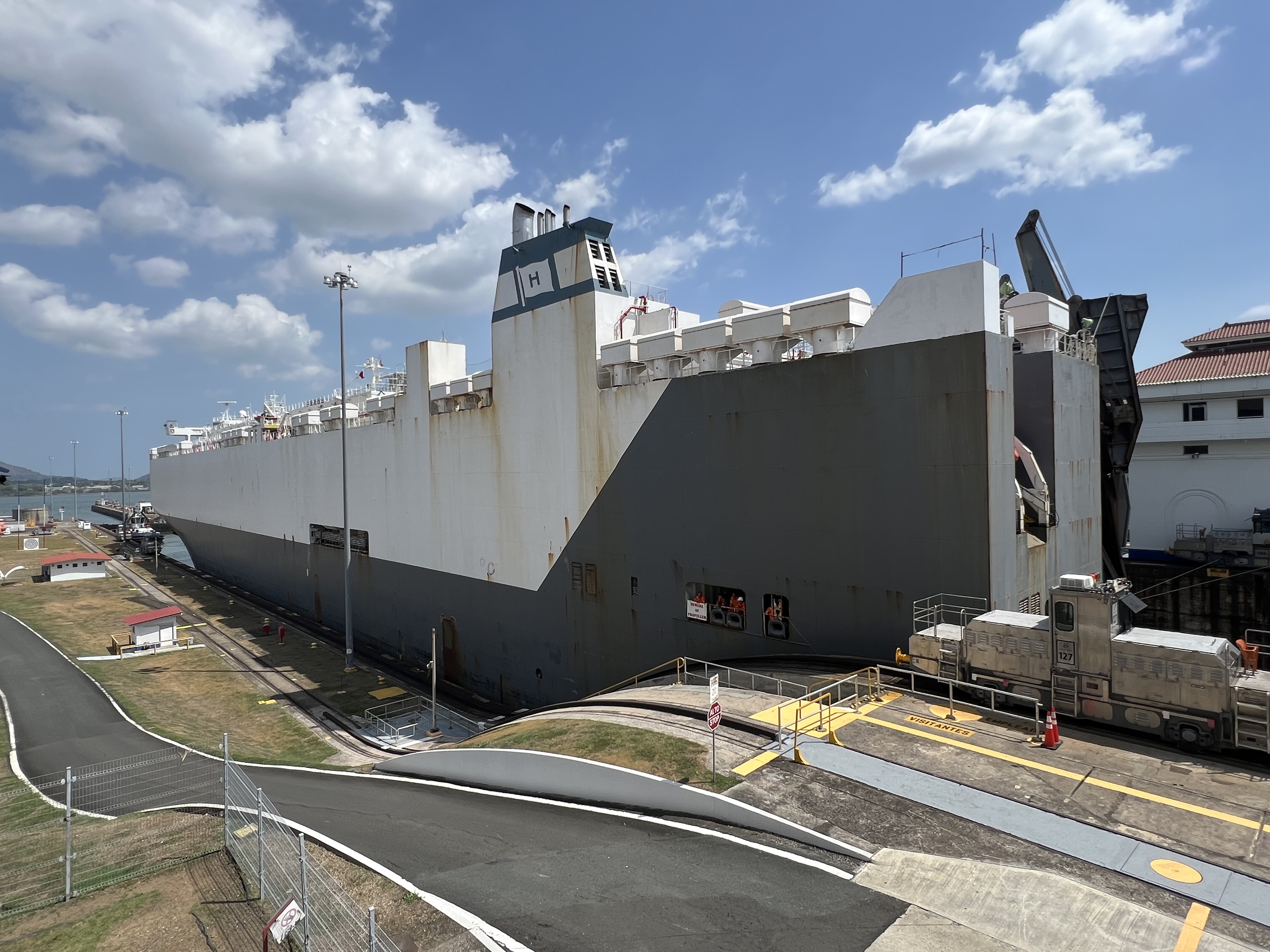
At a time when the control over the oceans was directly linked to a nations military might and world domination, a canal connecting the Atlantic and Pacific Ocean brought more than a mere trading advantage.
In 1881 the French, Mr. Ferdinand de Lesseps to be precise, started the first works to built the Panama Canal. His vision was to lower the land mass to the sea level – the same way he already successfully constructed the Suez Canal back in 1869.
The fact that Panama isn’t as flat as Egypt pose a bigger challenge than anticipated. But the obstacles didn’t stop there. The nine months long raining season and at that time unknown yellow fever and malaria took too big of a toll on the construction works. Resulting in a loss of 22’000 workers lives in a span of seven years. 50 million cubic meters of earth and rocks, about 17 kilometers and 287 million dollars later, the had to wave the white flag. Funny how history keeps repeating itself.

On February 1904 the US, under president Theodore Roosevelt, acquired the canal from France and began works shortly after. This time however, the plan wasn’t to make a sea-level canal, but to create a water reservoir by building a dam at the Chagres River. Creating the artificial lake Gatún, where the cargo ships can pass after getting through the locks.
All while finding the source of Malaria and Yellow Fever and fighting it, to ensure healthy workers.
Ten years later, on August 15, 1914 the first ship SS Ancón passed through the canal. Little after the first world war started.
After having built a new lock system to accommodate the new dimensions of modern cargo ships from 2007-2016, it is now battling with the lack of rain for the past years. Lowering the level of lake Gatún 1.8 meters and the traffic from 32 daily transits to 24.
Casco Viejo
After being flooded with informations about the Panama Canal – I held back on a lot of informations for your sake – wandering through Casco Viejo felt like the right thing to do.
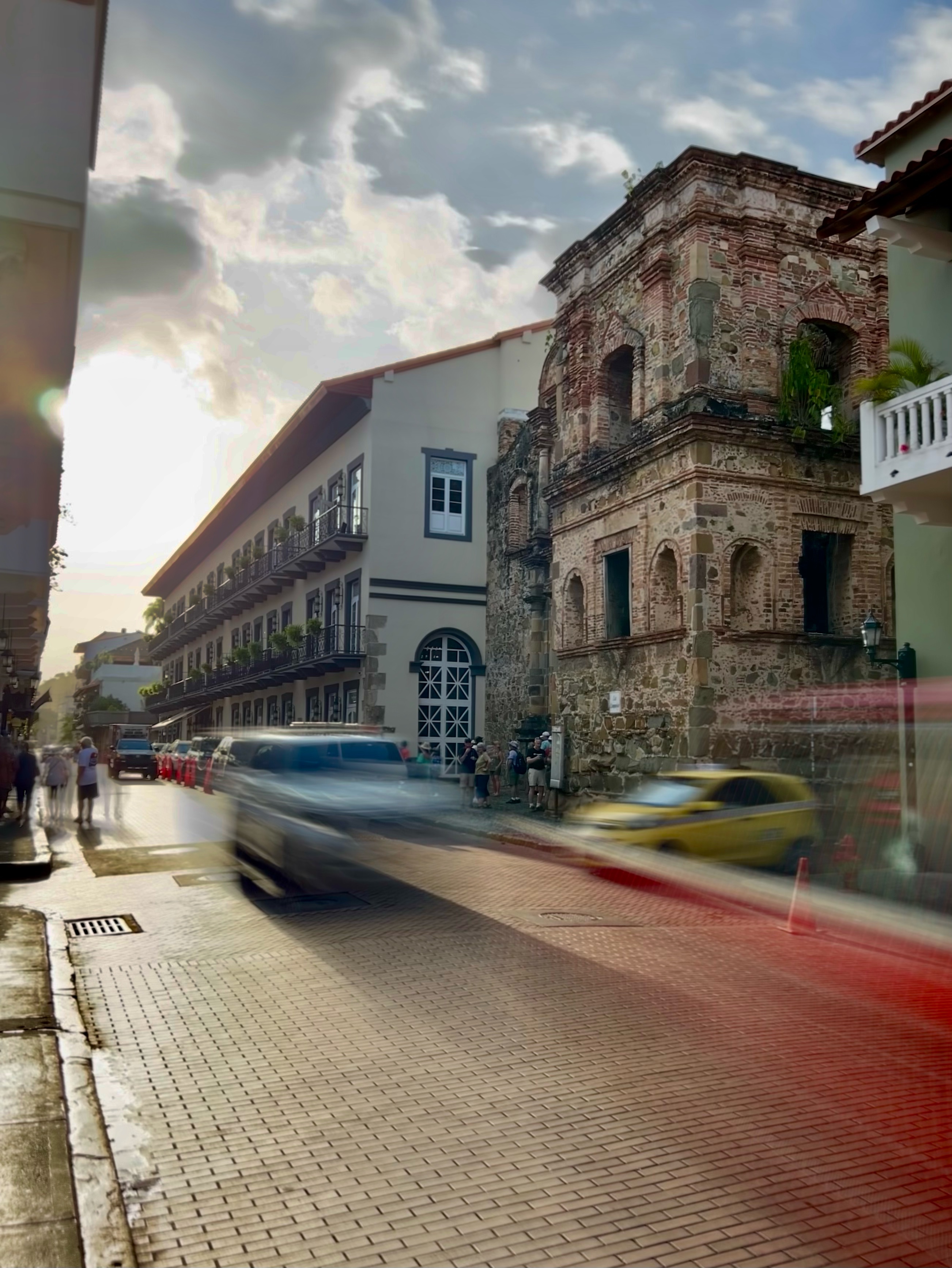
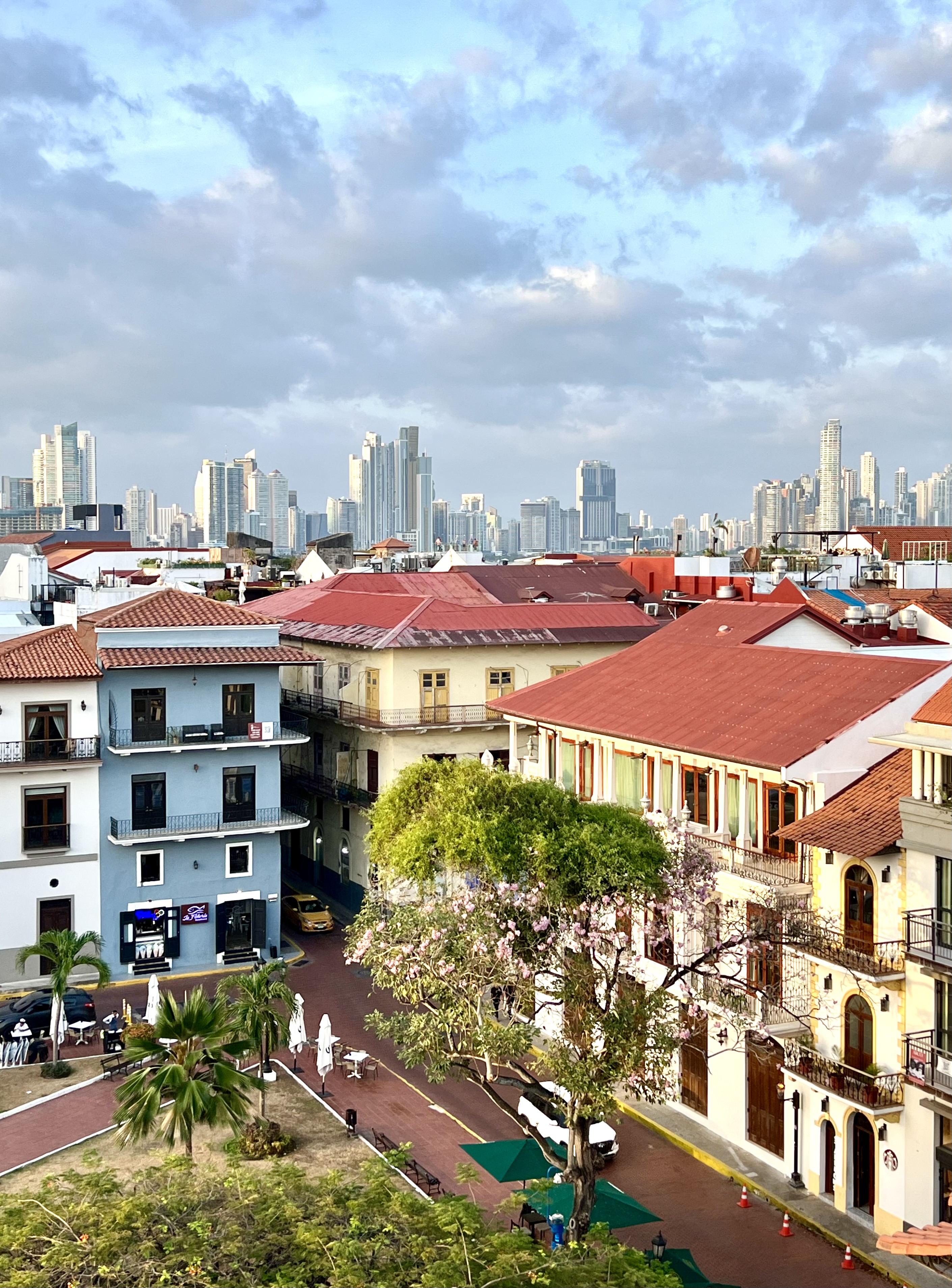
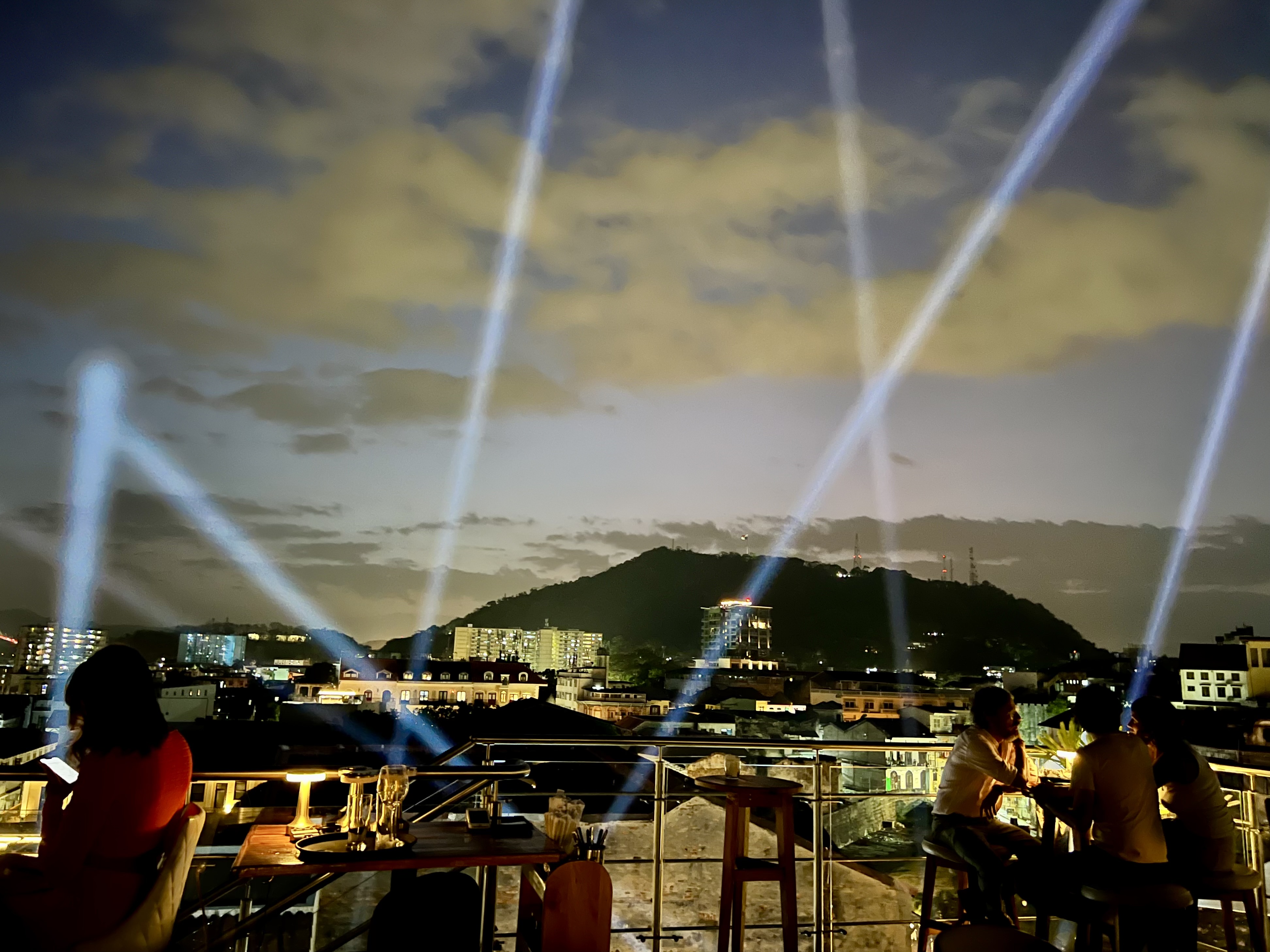
Panamanians get their salary twice a month. At the beginning and on the 15th. Apparently because they tend to spend it right away to go out in the evening. Making the days before the 15th and the end of the month the best time if you want to enjoy a rather competitively empty city.
Leave a Reply